DC assembly in the solar park — key points
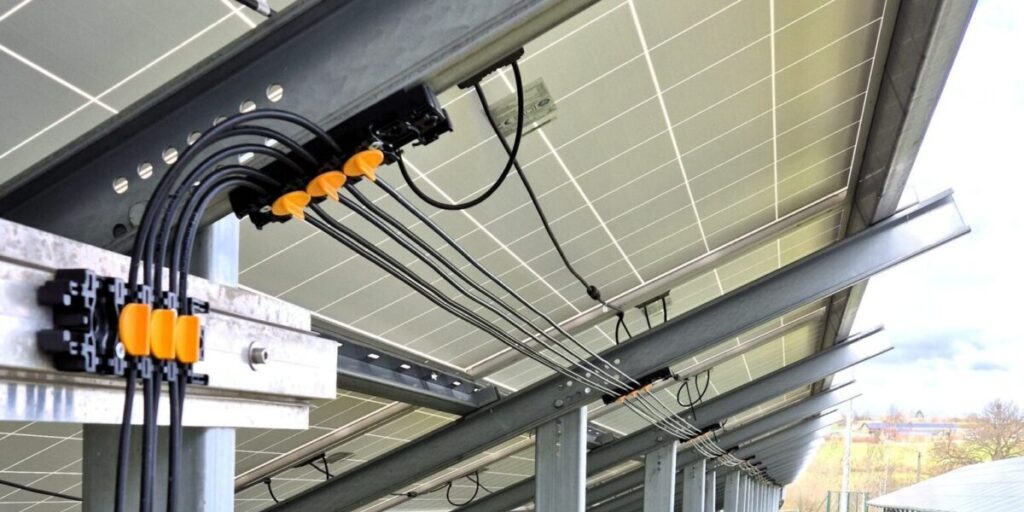
1. DC Cable Installation
Safely installed DC cables from the PV modules to the string or central inverters
Professional cable routing (routes, conduits)
Avoidance of unnecessary cable lengths to minimize losses
 2. Connection and Combination
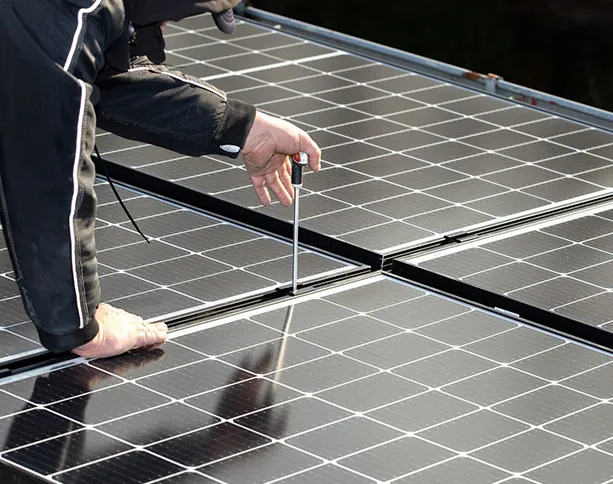
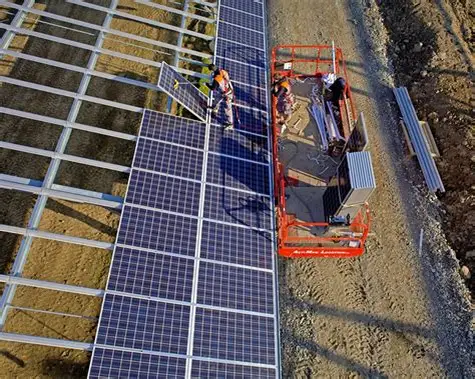
Clean and correct wiring of the modules in strings
Adherence to the maximum voltage and current values of the inverters
Use of suitable connectors/MC4- 3. Protective Measures
Surge protection devices (SPDs) along the DC lines
DC isolators for maintenance and safety
Identification and color coding of the DC lines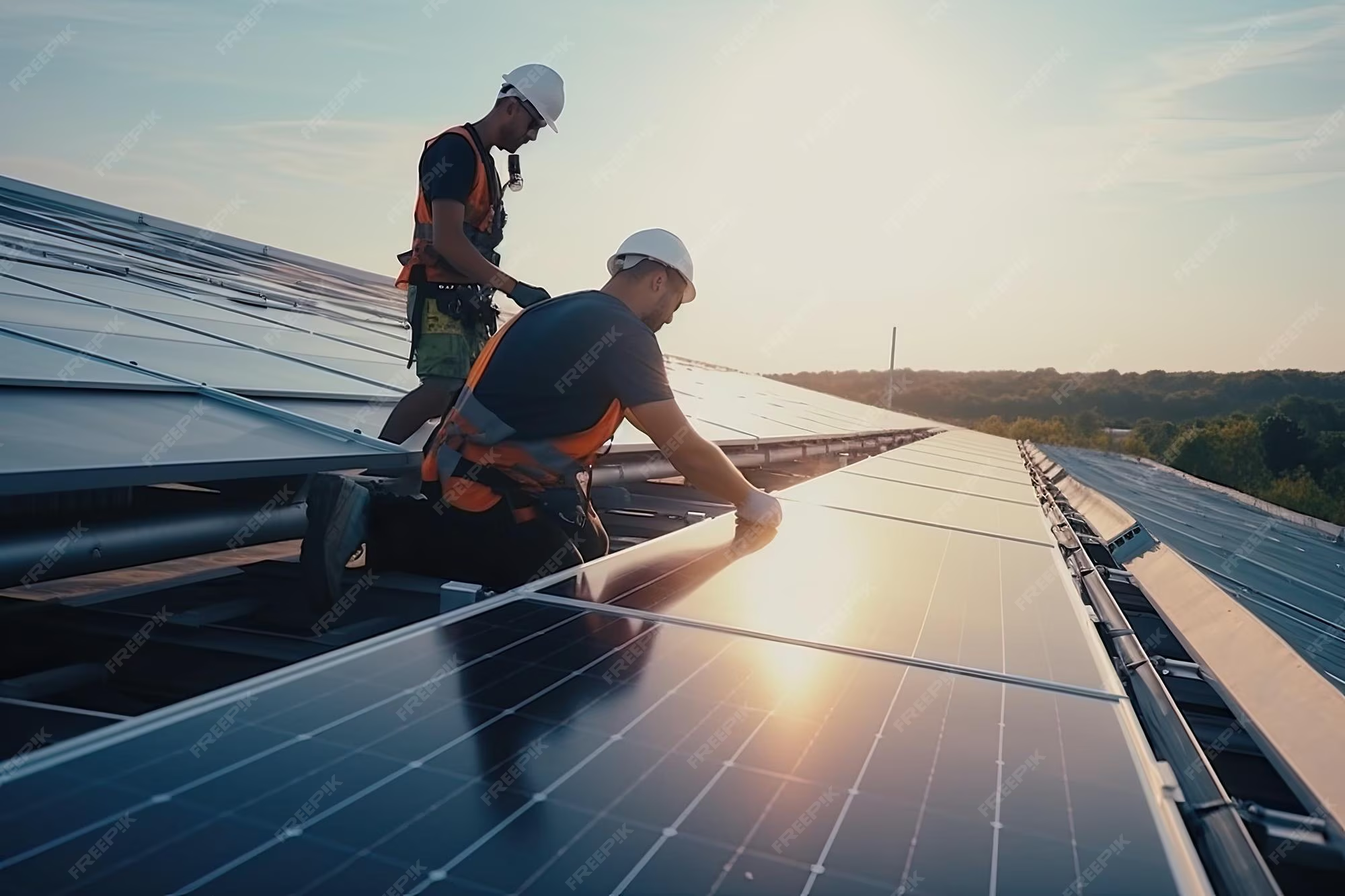
 4. Grounding / Equipotential Bonding (PE)
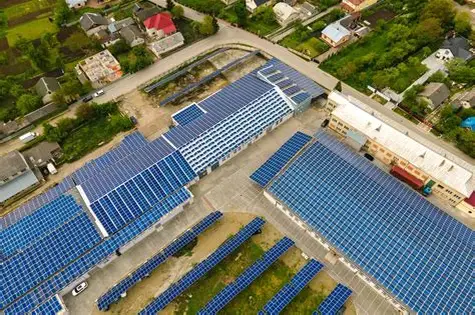
Structured equipotential bonding of the module frames and mounting systems
Connection to the main grounding electrode of the solar park
5. Mounting System and Cable Management
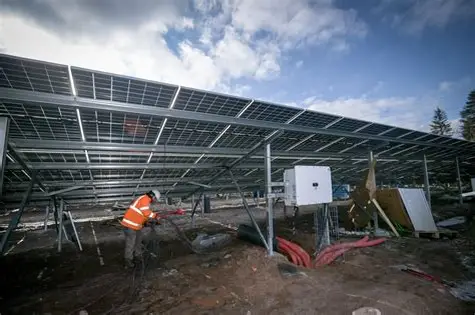
Integration of cable holders, clips, and cable channels
Protection against mechanical stress, UV radiation, and weathering
Compliance with relevant standards (e.g., VDE, IEC)
Documentation in accordance with regulations
Protection against residual currents (e.g., through DC residual current detection)
7. Documentation and Labeling
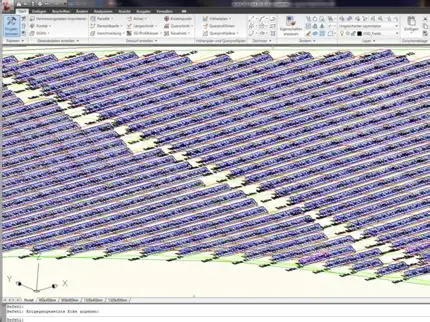
Clear labeling of strings, busbars, and fuses
Creation of as-built diagrams for future maintenance and operation
DC installation in solar parks is a crucial step for:
✔ maximum performance
✔ operational safety
✔ long-term reliability
It includes cable routing, protection and safety technology, professional wiring, and thorough documentation according to applicable standards.
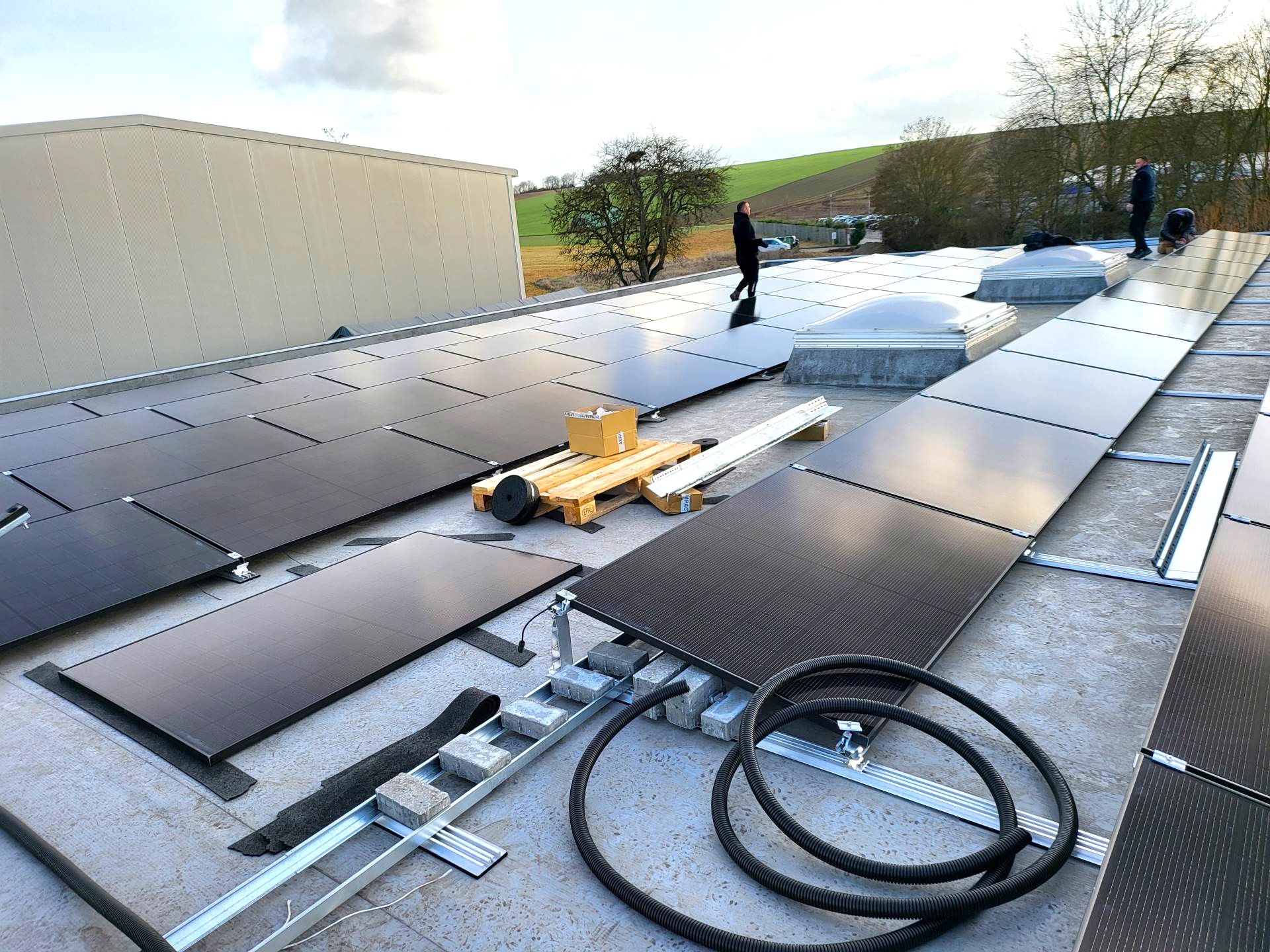
DC mounting on the roof — key moments
1. Cable Routing and Routing
Careful routing of the DC cables from solar modules to the DC connection points
Sturdy, UV-resistant cable holders and routing → protection against chafing, wind, and weather
Shortest possible routes = reduced losses
- 2. String Merging
Proper connection of the modules into strings according to the diagram
String combinations neatly merged in the string box/combiner box - 3. Protective and Safety Devices
DC isolators/disconnectors in easily accessible locations
Surge protection (DC SPDs) near the inverter and combiner box
Proper string protection (e.g., DC fuses) - 4. Grounding and Equipotential Bonding
Equipotential bonding of all module frames
Connection to the building's main grounding system
Ensuring that no unwanted potential differences arise
Clear labeling of DC cables, string numbers, fuses, and disconnect points
Complete as-built documentation for operation and maintenance
7. Standards and Regulations
Compliance with relevant standards (e.g., VDE-0100, VDE-AR-E-2100, IEC)
Consideration of roof load, snow loads, lightning protection, and static requirements
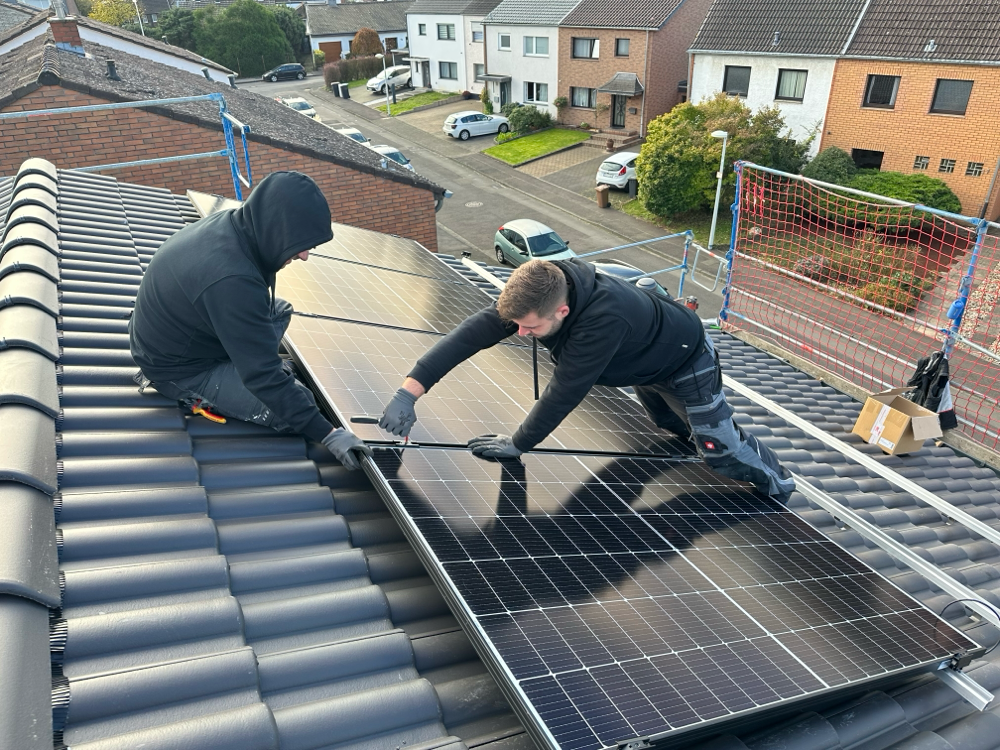
DC mounting on the roof includes:
✔ professional installation and protection of the DC cables
✔ secure connection of the module strings
✔ protection against overvoltages and mechanical stress
✔ clear labeling and standards-compliant documentation
This creates the conditions for efficient, safe, and long-lasting operation of the PV system.
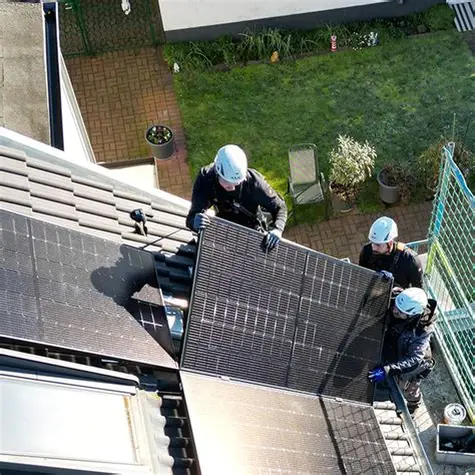
6. Safety Rules for Assembly Personnel
Work only when the power is off or using appropriate protective equipment
Use appropriate PPE (e.g., insulating gloves, safety glasses)
Comply with fire safety and occupational safety regulations
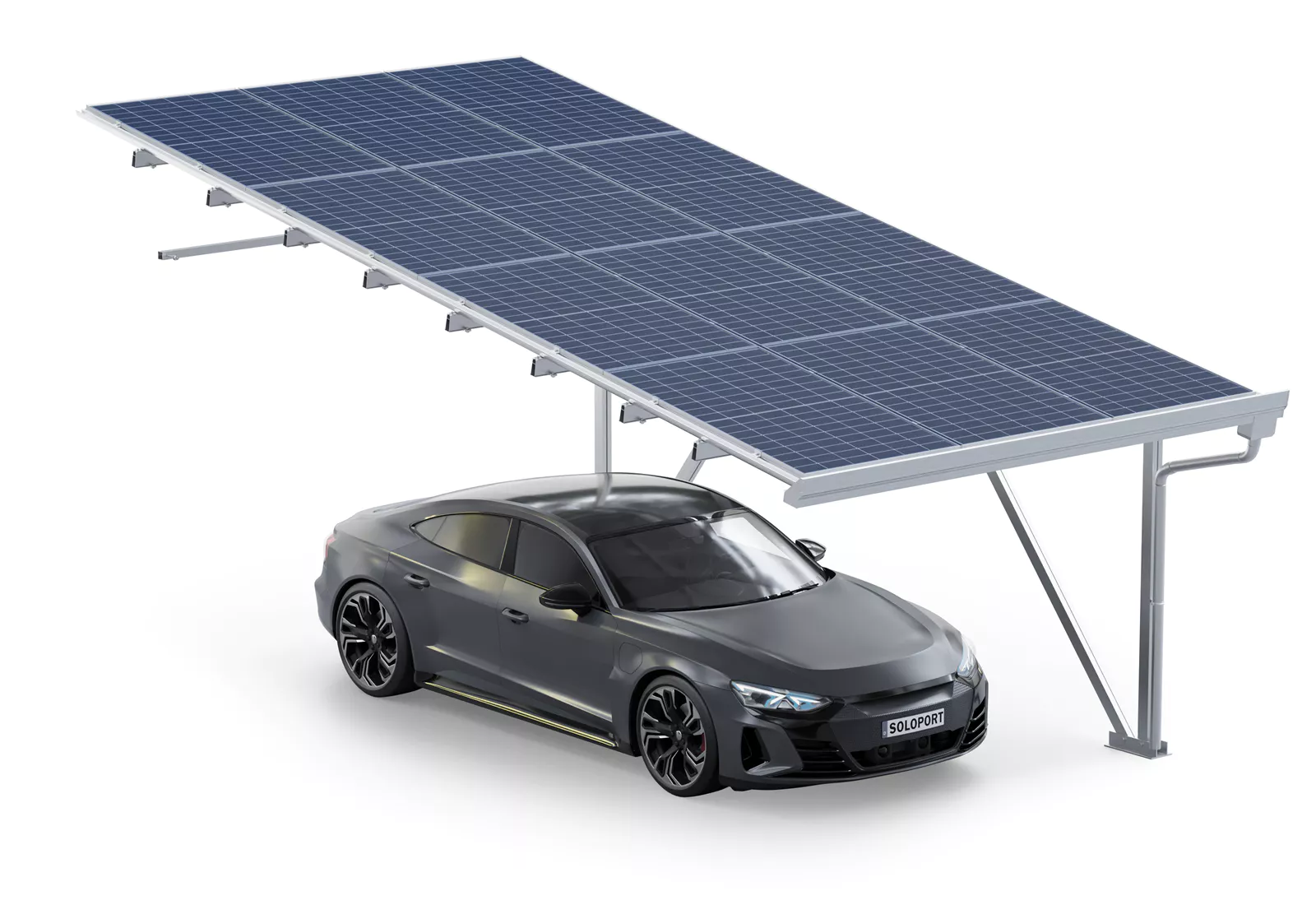
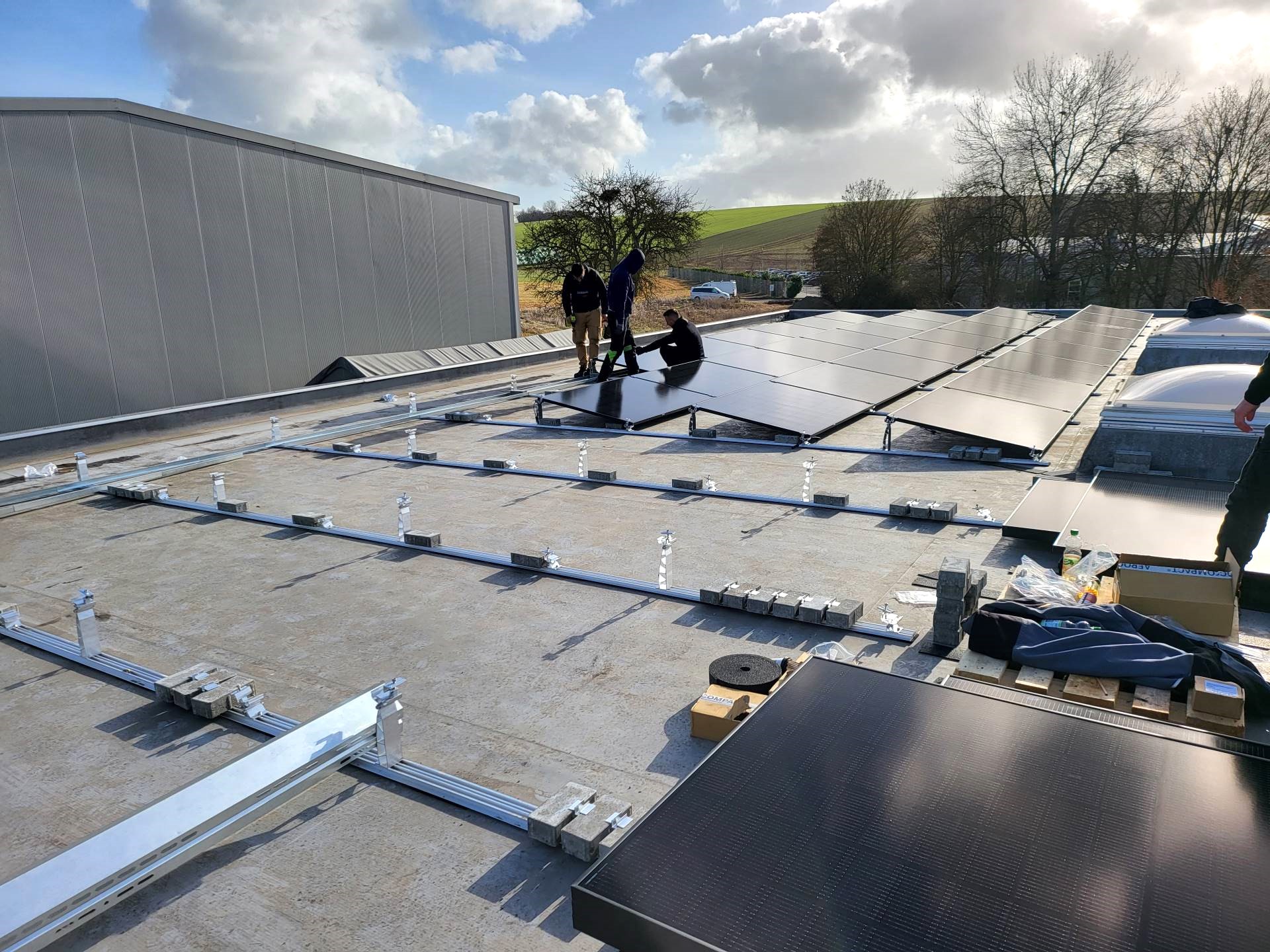
DC mounting on the carport – safe, efficient and compliant with standards
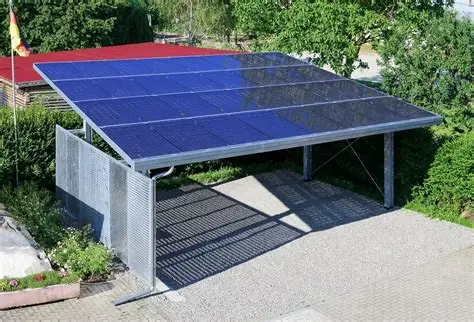
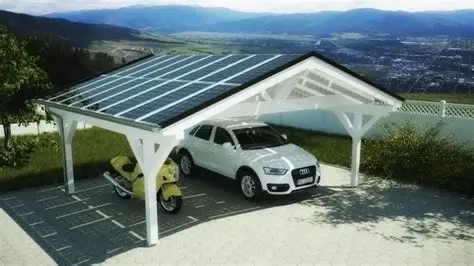
Professional DC mounting on the carport forms the basis for the safe and efficient operation of your photovoltaic system. Precise planning, clean execution, and standards-compliant installation guarantee maximum efficiency and long-term operational reliability.
- ✓Individual DC cabling planning
Each system is planned according to its specific location. Cable routing is optimized for the shortest possible distances to minimize power losses. UV-resistant cables, professional mounting systems, and protected cable trays ensure long-lasting stability – even in wind, snow, and temperature fluctuations. - ✓Professional String Connection
The solar modules are connected according to the technical concept to form optimally designed strings. A clean connection in the string or combiner box ensures clarity, ease of maintenance, and safe operating conditions.
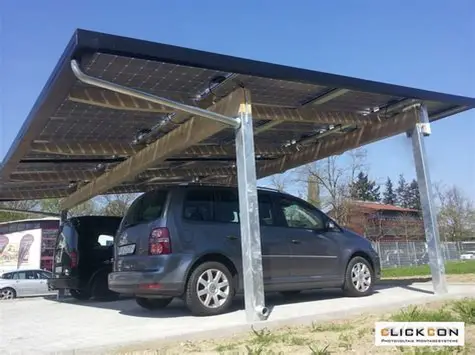
Mechanical Stability & Weather Protection
For carport structures, particularly stable mounting is crucial. All DC cables are installed in such a way that they are permanently protected from mechanical stress, moisture, and UV exposure.
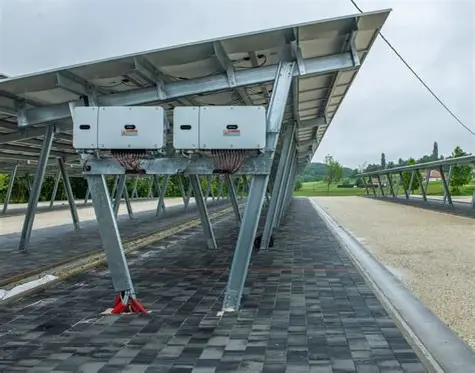
Safety and Protection Systems
For maximum safety, we integrate:
DC disconnect switches for maintenance work
Overvoltage protection (DC SPD)
Standard-compliant string protection
Complete equipotential bonding and grounding of the mounting system
This significantly reduces the risk of electrical faults or overvoltage damage.
Mechanical Stability & Weather Protection
For carport structures, particularly stable fastening is crucial. All DC cables are installed in such a way that they are permanently protected from mechanical stress, moisture, and UV exposure.
Transparent Documentation
After installation, you will receive complete documentation including string assignment, cable routing, and technical specifications – for maximum transparency and easy maintenance.
✔ Safe and standards-compliant DC installation
✔ Minimized power losses
✔ High operational reliability
✔ Durable and clean design
✔ Optimal basis for maximum energy yields